Emergency Plumbing Review: What to Do First
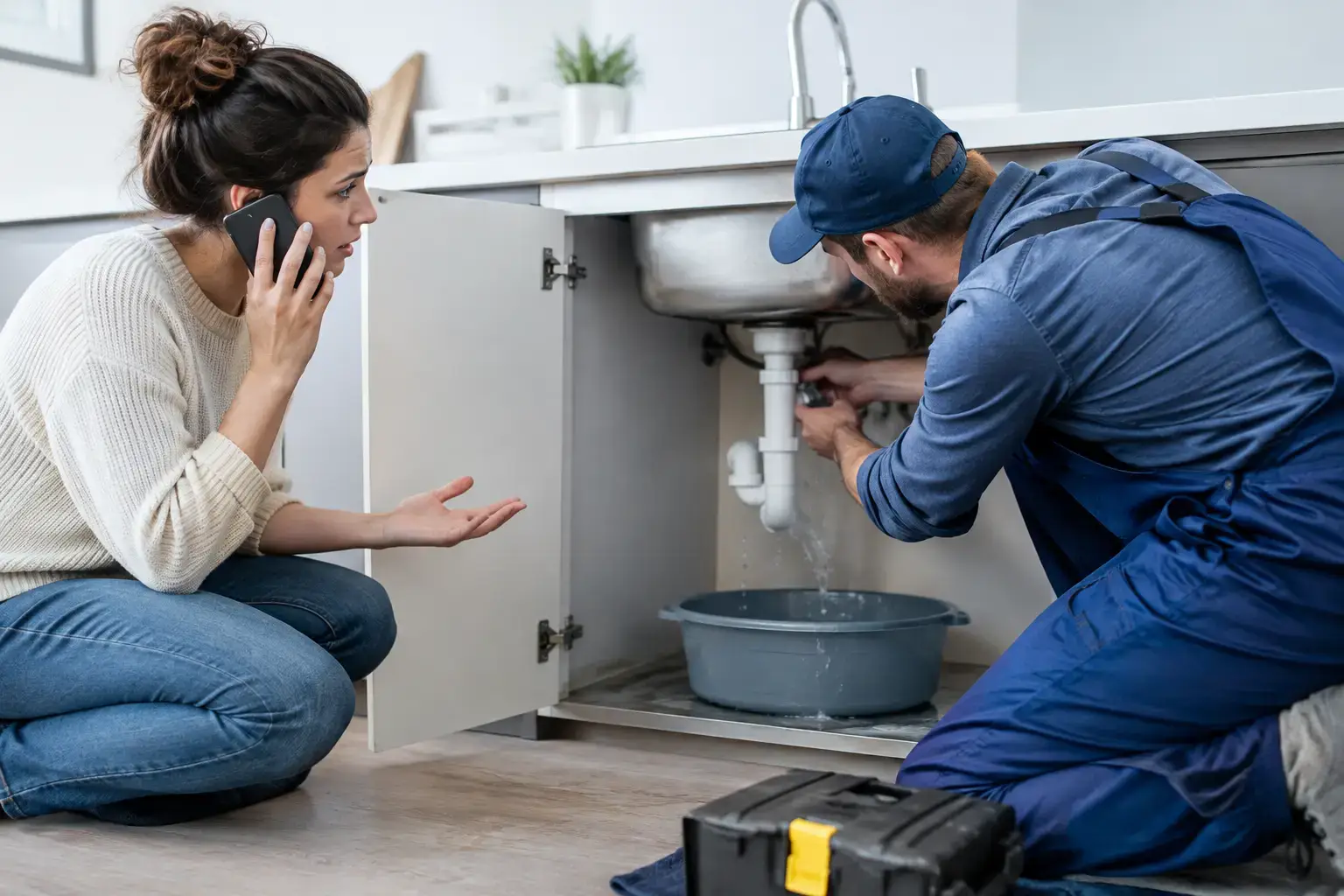
A burst pipe at 2 am, a toilet backing up before guests arrive, or hot water running brown can turn into costly damage quickly. This emergency plumbing review explains how to assess the problem, take safe first steps and decide when a qualified 24/7 plumber needs to attend straight away.
The priority is not to diagnose every fault yourself. It is to protect people, limit water damage and give your plumber clear information when they arrive. Fast action can save flooring, cabinetry, stock, equipment and a great deal of disruption.
What Counts as a Plumbing Emergency?
Not every dripping tap needs an after-hours call-out, but some plumbing faults should not wait until the next business day. A job becomes urgent when it creates a safety risk, causes active property damage, affects sanitation or stops a home or business from operating normally.
A burst or visibly leaking pipe is the clearest example. Water can travel behind walls, under flooring and through ceilings before it becomes obvious, particularly in multi-level properties. A leaking hot water system also needs prompt attention, as hot water, pressure relief valves and electrical connections can create additional risks.
Blocked drains can be equally urgent. If sewage is backing up through a toilet, shower, floor waste or outside gully, avoid using any connected fixtures. Continued water use can force wastewater into the building and make a contained blockage far worse.
For commercial, industrial and rural sites, urgency often depends on operational impact. A failed pump, loss of water supply, drainage overflow or gas concern may interrupt staff amenities, food preparation, production, livestock water or customer access. The right response is based on safety and the likely consequences of waiting, not simply the size of the visible leak.
Emergency Plumbing Review: Check Safety Before Damage
Start by checking whether there is an immediate danger. If water is near power points, switchboards, appliances or exposed wiring, keep clear of the area. Do not touch electrical equipment while standing in water. If it is safe to do so, switch off power at the main switchboard only if you can reach it without crossing wet areas. Otherwise, contact an electrician or emergency services as appropriate.
If you smell gas, hear hissing near a gas appliance or notice symptoms such as dizziness or nausea, do not try to locate the leak yourself. Turn off the gas supply only if it is safe and you know where the isolation valve is, leave the area and avoid flames, switches and electrical devices. Gas work must be handled by a licensed gas fitter.
For water leaks, the main water shut-off valve is often the most useful control. In many homes it is near the water meter, at the front boundary or where the supply enters the building. Businesses and larger properties may have several isolation valves, so facility managers should keep an up-to-date services plan available.
Turn off the local fixture valve where possible for a leaking toilet, basin or washing machine hose. If the leak does not stop, or you cannot identify the correct valve, shut off the main supply. This may leave the property without water temporarily, but it is usually preferable to allowing damage to continue.
The First 15 Minutes Matter
Once the immediate source is isolated, move valuables, loose rugs, files and portable equipment away from the affected area. Place buckets under controlled drips and use towels to contain water where safe. Do not remove ceiling panels or attempt to puncture a bulging ceiling unless directed by a qualified professional. Water trapped overhead can be hazardous, and the source may not be where it appears.
Take a few photos or short videos before cleaning up. They can help a plumber understand the issue and may assist with insurance documentation. Note when the problem started, which fixtures are affected and what happened immediately beforehand. For example, did a drain overflow after a washing machine cycle, did pressure drop suddenly, or did the hot water system begin leaking after a period of unusual noise?
Avoid chemical drain cleaners during an emergency. They can damage pipework, produce fumes and create a hazard for the plumber working on the blockage. A plunger may be suitable for a simple toilet or basin blockage, provided sewage has not overflowed and no chemical product has been used. If the problem persists, stop using the fixture rather than forcing it.
When to Call a 24/7 Plumber
Call for urgent assistance when water cannot be isolated, a pipe has burst, sewage is overflowing, a drain blockage affects multiple fixtures, or a hot water system is leaking heavily. You should also seek prompt help if a roof or gutter issue is allowing water into the building during heavy rain, particularly where ceilings, electrical fittings or structural materials are affected.
A qualified emergency plumber can isolate services, identify the fault and complete a safe repair where conditions allow. In some cases, the first visit is about stabilising the situation, making the property safe and planning a permanent repair with the right parts, equipment or specialist access. That is not a compromise. It is often the sensible approach when a fault involves underground drainage, a concealed leak, roof access or larger-scale damage.
For businesses, do not wait until the issue becomes visible to customers or staff. A slow ceiling leak above a retail floor, poor drainage around an entry, or repeated toilet blockages can quickly become a health and safety issue. Early attendance can reduce downtime and help protect equipment, stock and site access.
What to Tell the Plumber
A clear phone call helps the right trade professional arrive prepared. Explain whether the water is still flowing, whether the main supply has been shut off and whether there are electrical or gas concerns. Mention the property type, affected area and any access limitations such as locked gates, security procedures, steep driveways or shared building services.
It is also useful to describe the water. Clean water from a supply pipe requires a different response from wastewater or stormwater. If the water is discoloured, has a sewage odour or appears after heavy rain, say so. For rural properties, identify whether the issue involves a tank, pump, bore supply, irrigation line or stock water system.
A trusted local PERL plumbing team can assist across emergency repairs, drainage, hot water, gas fitting and water supply issues, helping you move from immediate containment to a practical long-term fix.
After the Immediate Repair
Once the leak or blockage is under control, do not assume the job ends there. Ask what caused the problem and whether related components should be checked. A burst flexi hose, for example, may indicate other ageing hoses need inspection. A blocked drain may be caused by tree roots, damaged pipework, poor fall or unsuitable materials being flushed into the system.
Water damage also needs attention after the plumbing repair. Ventilate the area where practical, remove wet absorbent materials and monitor walls, floors and cabinetry for swelling or lingering dampness. If significant water has entered the building, specialist drying and restoration may be needed to reduce mould risk.
For commercial and managed sites, record the incident, repair details and any follow-up work. Repeated faults are valuable information. They may justify planned maintenance, CCTV drain inspection, pipe renewal, gutter cleaning or an upgrade to pumps, hot water equipment or drainage capacity.
Reduce the Risk Before the Next Call-Out
Emergency call-outs cannot always be avoided, particularly during storms or when hidden pipework fails. Still, simple maintenance makes a meaningful difference. Know where the main water and gas isolation points are, keep access clear and make sure household members or site supervisors know how to use them safely.
Check visible flexi hoses, valves and hot water connections for corrosion, swelling or slow drips. Keep gutters, downpipes and stormwater drains clear before wetter months. Use drain strainers in kitchens and showers, and avoid flushing wipes, fats, sanitary products or other unsuitable materials.
For properties with tanks, pumps or rural water systems, scheduled checks are particularly worthwhile. A small issue with a pressure pump, filter or float valve can become an inconvenient loss of water supply when it is left unnoticed.
When something goes wrong, act calmly, isolate what you can safely and get qualified help early. A prompt, practical response gives your property the best chance of recovering with less damage and less disruption.