
Restaurant Grease Trap Maintenance That Prevents Closures
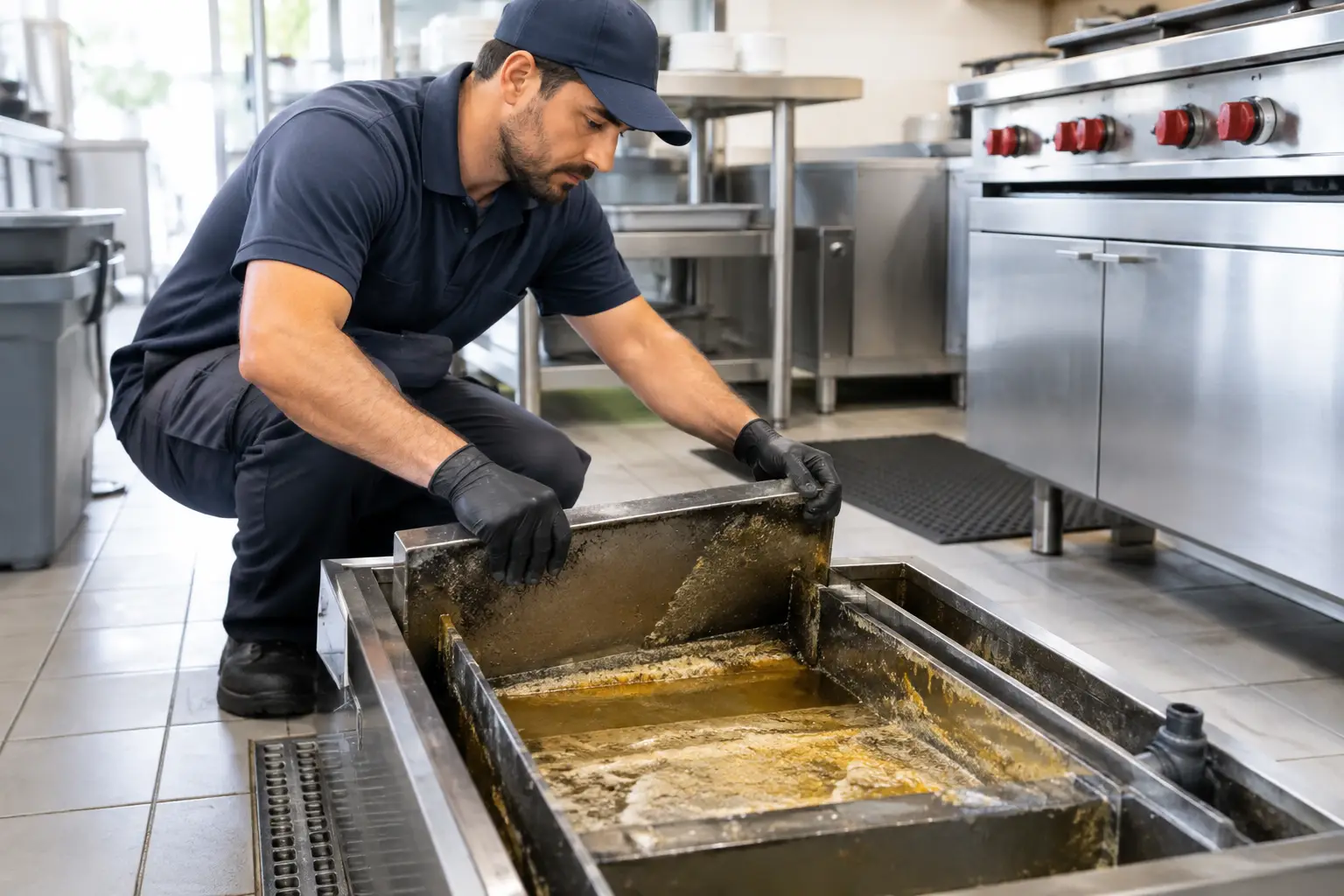
A busy Friday service can put hundreds of litres of greasy wastewater through a commercial kitchen in a few hours. If your restaurant grease trap is full, damaged or poorly maintained, that wastewater does not simply disappear. It can back up through floor wastes, create foul odours, block private drains and interrupt trade when your kitchen can least afford it.
For restaurant owners, venue managers and facilities teams, grease management is not just a cleaning task. It is a practical part of protecting your drainage system, meeting local trade waste requirements and keeping staff and customers safe. The right maintenance plan depends on the size of the kitchen, the menu, trading volume and the equipment connected to the system.
What a restaurant grease trap does
A grease trap, also called a grease arrestor or grease interceptor, is installed on commercial kitchen wastewater lines. It slows the flow of warm wastewater from sinks, dishwashers and food preparation areas so fats, oils and grease can cool and separate. Heavier solids settle at the bottom, while grease rises to the surface. The clearer water in the middle can then move into the sewer system.
This simple process prevents grease from travelling further down the line, where it can solidify on pipe walls. Over time, even a modest build-up narrows the pipe and catches food scraps, detergent residue and other debris. The result can be a stubborn blockage well beyond the kitchen.
A grease trap is not designed to make grease harmless or remove the need for good kitchen practices. It is the final barrier after staff have scraped plates, collected waste oil and kept food solids out of sinks. When that barrier is neglected, the consequences can be expensive.
Why grease trap maintenance matters in commercial kitchens
Blocked drainage is the most obvious risk, but it is rarely the only one. Grease can cause slow-draining sinks, overflowing floor wastes and unpleasant smells that affect the dining area as well as the kitchen. A backup may also force a temporary closure while the cause is located and cleared.
There is a compliance consideration too. Trade waste rules are set by local councils and water authorities, and requirements vary between locations. Many require food businesses to maintain grease arrestors, arrange regular pump-outs and retain service records. If an inspection identifies poor maintenance or excessive grease discharge, the operator may face corrective action, additional costs or restrictions on trade.
For landlords and facility managers, grease trap issues can also become a dispute about responsibility. The kitchen tenant may be responsible for routine servicing, while the property owner is responsible for the condition of shared drainage infrastructure. Clear maintenance records and a documented service schedule help avoid confusion when a problem arises.
How often should a restaurant grease trap be cleaned?
There is no one cleaning interval that suits every venue. A small café with limited cooking may need a different schedule from a high-volume restaurant, hotel kitchen or takeaway business using deep fryers throughout the day. Your local authority may specify a minimum servicing frequency, but the practical requirement may be more frequent.
The key measure is how quickly fats, oils, grease and solids build up inside the unit. As a working rule, the trap should be pumped out before accumulated material takes up too much of its operating capacity. Waiting until it smells, overflows or causes slow drainage means the system is already under strain.
A qualified commercial plumbing team can assess the trap size, kitchen activity and connected fixtures to recommend an appropriate maintenance interval. This may need adjustment after the first few services. A new menu, longer opening hours, a change in tenant or additional cooking equipment can all increase grease load.
Signs your grease trap needs attention sooner
Do not rely solely on a calendar reminder. Kitchen staff and managers should report warning signs early, including a persistent sewer smell, slow sink drainage, gurgling floor wastes or water pooling around the trap lid. Grease visible in inspection points, overflowing wastewater, pest activity and recurring drain blockages all warrant prompt investigation.
A sudden problem may indicate more than an overdue pump-out. The outlet pipe could be restricted, a baffle may be damaged, the unit may be undersized, or food waste may be bypassing normal controls. Clearing a blockage without identifying the underlying cause often leads to another call-out soon after.
Good kitchen habits reduce grease trap load
Pump-outs are essential, but daily kitchen routines make a significant difference. Staff should scrape plates, pots and cookware into rubbish or food-waste bins before washing. Cooking oil should be collected separately for an approved recycler, never poured down a sink or floor waste.
Sink strainers should be fitted and emptied regularly. These catch food particles before they enter the trap, reducing solids and helping prevent downstream blockages. It is also sensible to keep cleaning chemicals within the products and concentrations recommended for commercial kitchen use. Harsh or unsuitable chemicals can disrupt separation inside the trap, damage pipework or create a false impression that grease has been removed when it has simply moved further along the drain.
Hot water does not solve a grease problem. It may melt grease temporarily, but as the wastewater cools in the pipework, grease can set again. Likewise, enzyme and bacteria products should not replace physical cleaning and pump-out services. Some may be suitable as part of a managed programme, but they do not remove the accumulated fats and solids that need to be taken away.
What professional grease trap servicing should include
A proper service is more than lifting the lid and removing surface grease. The unit should be fully pumped out, including floating fats, settled solids and wastewater. Internal components such as baffles, inlet and outlet points should then be checked for damage, obstruction or poor flow.
The surrounding area also deserves attention. A technician may identify cracked lids, damaged seals, inadequate access, water ingress or evidence of overflow. These issues can affect hygiene, create safety hazards and make future servicing more difficult.
After the service, ask for a record that confirms the date, work completed and waste removal details where required. Keeping these records on site or in your facilities file makes it easier to demonstrate ongoing maintenance during an inspection. It also gives your plumbing provider useful history if a drainage issue develops.
When the problem is bigger than the grease trap
If your grease trap is regularly serviced but drains still block, the cause may lie elsewhere in the system. Commercial drainage lines can be affected by grease build-up beyond the trap, tree roots, damaged pipes, incorrect pipe falls or unsuitable connections from appliances.
Drain camera inspection can help pinpoint the issue without unnecessary excavation. In older premises, particularly those that have changed use over time, the existing drainage design may not suit the current kitchen load. A restaurant expansion can also outgrow the original grease arrestor capacity.
In these cases, the practical solution may involve high-pressure drain cleaning, pipe repairs, additional access points or a grease trap upgrade. The right option depends on the site layout, kitchen operations and applicable authority requirements. A quick fix can restore flow, but a properly scoped repair helps reduce repeat downtime.
Plan maintenance around service, not after a failure
The best time to book grease trap servicing is before the busiest periods on your calendar. Coordinate access with kitchen operations, schedule work during quieter hours where possible and make sure staff know not to use connected fixtures while servicing is underway.
For multi-site operators and property managers, a planned programme provides better control over costs and compliance than reactive call-outs. It also makes recurring faults easier to spot. If one site needs increasingly frequent pump-outs, that is useful information, not just another invoice.
Your trusted local PERL plumbing team can assist with commercial drainage assessments, grease trap maintenance and urgent blockage response when kitchen operations are at risk. Regular attention to the system gives your team one less reason to worry during a busy service – and helps keep wastewater where it belongs, out of your kitchen and moving safely through the drainage network.