
Plumber vs Gasfitter Difference: Who to Call?
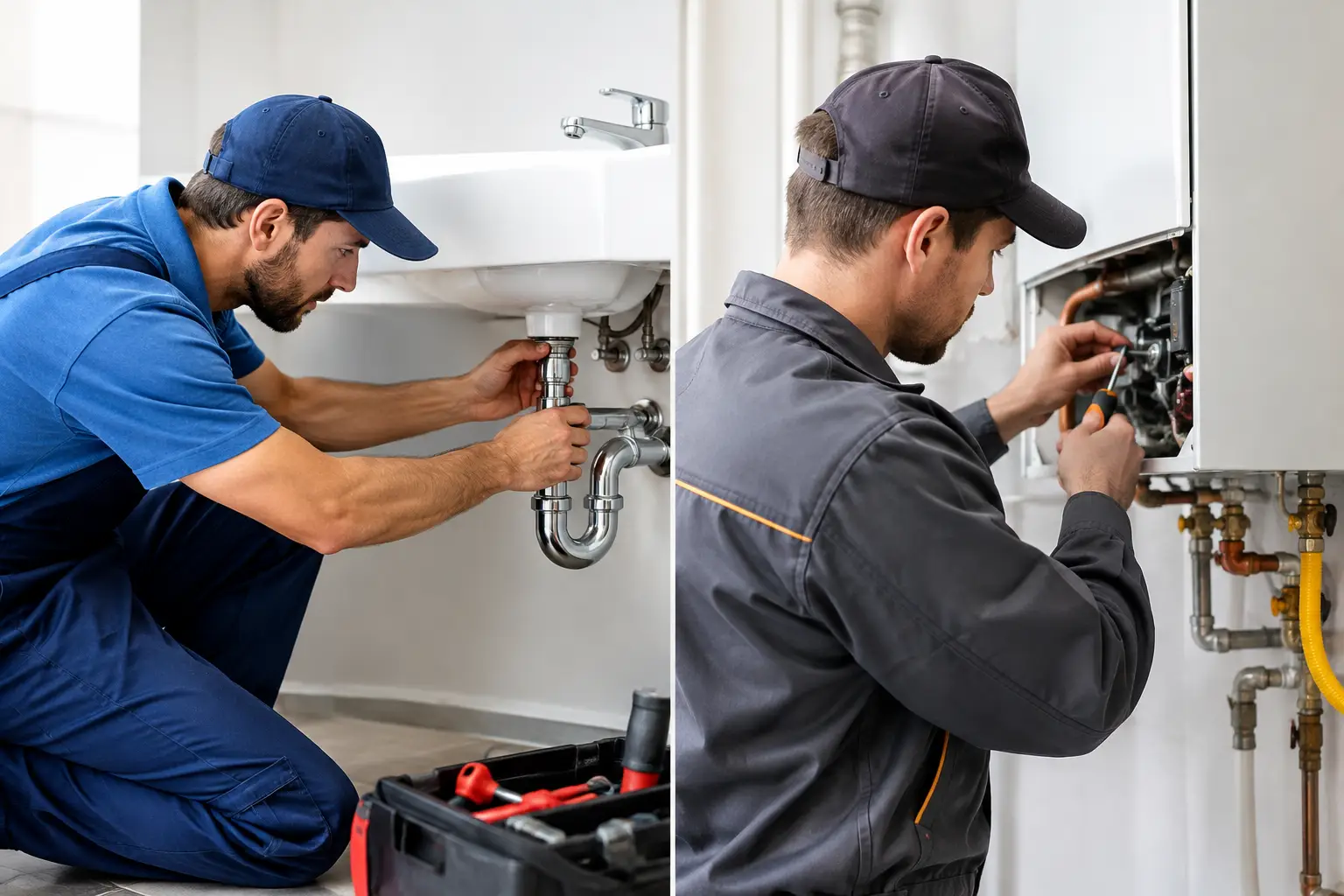
A leaking tap and a faulty gas hot water system can both look like plumbing problems from the outside. The plumber vs gasfitter difference matters because the work behind each issue involves different systems, qualifications and safety responsibilities. Calling the right trade from the start can protect your property, reduce delays and, where gas is involved, help keep people safe.
While plumbers and gasfitters often work alongside each other, and some tradespeople are qualified in both, their licences do not automatically cover the same work. The exact licensing requirements vary between Australian states and territories, so always check that the person attending your site is properly licensed for the job at hand.
What does a plumber do?
A plumber works on the water supply, sanitary fixtures and waste-water systems that keep a property functioning day to day. Their work may be as straightforward as repairing a dripping tap or replacing a toilet cistern, or as involved as fitting out bathrooms, kitchens and commercial amenities in a new build.
In a home, a plumber may diagnose low water pressure, repair burst pipes, install a new hot water unit, connect fixtures, locate leaks or upgrade ageing pipework. On commercial, industrial and rural sites, the scope can extend to water reticulation, backflow prevention, pump systems, maintenance programmes and plumbing design.
Plumbing work is not limited to the pipes you can see under a basin. It also includes the systems that deliver clean water safely and carry wastewater away correctly. Depending on their qualifications and local rules, a plumber may also hold specialist endorsements for areas such as roofing, drainage or backflow work.
Plumbing and drainage are related, but not identical
A blocked toilet, overflowing gully trap or damaged sewer line may need a drainlayer or drainage specialist rather than a general plumbing repair. In Australia, trade categories and licence classes differ by jurisdiction. A qualified contractor can assess the problem, explain who needs to carry out the work and arrange the right capability for the job.
That distinction is useful when a problem crosses more than one system. For example, a bathroom renovation might require plumbing alterations, drainage connections and waterproofing coordination. Good planning prevents the common and costly mistake of completing fixtures first, then discovering the pipe layout or waste connection needs to change.
What does a gasfitter do?
A gasfitter installs, services, repairs and tests gas systems and gas appliances. This includes gas pipework, gas meters and regulators, cooktops, ovens, heaters, fireplaces, boilers, hot water systems and LPG connections, depending on the type of licence held.
Gasfitting is specialist safety work. A gasfitter understands gas pressure, ventilation, appliance commissioning, flue requirements, isolation points, leak testing and the rules that apply to the installation. They should verify that an appliance is operating safely after work is completed and provide the required compliance documentation under the rules in your state or territory.
Common reasons to call a gasfitter include a gas smell, a gas appliance that will not ignite, a pilot light that will not stay on, a suspected gas leak, a planned gas cooktop installation or an upgrade to a gas continuous-flow hot water system.
If you smell gas, do not try to locate or repair the leak yourself. Avoid flames, sparks and electrical switches where practical, turn off the gas at the meter or cylinder only if it is safe to do so, leave the area and contact your gas network emergency line or a licensed gasfitter. Treat a strong or persistent smell as urgent.
The plumber vs gasfitter difference at a glance
The simplest way to separate the roles is this: plumbers work with water and wastewater systems, while gasfitters work with fuel gas systems and gas appliances. The practical reality is sometimes less neat because a single project can involve both.
A gas hot water unit is a good example. The water pipes and temperature control valves are plumbing work. The gas supply, regulator connection, appliance commissioning and gas testing are gasfitting work. A dual-qualified contractor can often manage both parts, which is more efficient and helps ensure the installation is properly coordinated.
The same overlap occurs in kitchens. Moving a sink requires plumbing. Relocating a gas cooktop requires gasfitting. If the renovation includes both, engaging a contractor with the appropriate licences across the required work can make scheduling easier and reduce handovers between trades.
| Situation | Usually requires | |—|—| | Leaking tap, toilet repair or burst water pipe | Plumber | | Blocked sewer, damaged drain or stormwater issue | Drainage specialist or appropriately licensed contractor | | Gas smell, gas leak or faulty gas heater | Gasfitter or gas emergency service | | Gas cooktop, heater or gas hot water connection | Gasfitter | | Gas hot water installation with new water connections | Plumber and gasfitter, or one dual-qualified trade professional | | Bathroom or kitchen renovation | Plumbing, with gasfitting if gas appliances or pipework are being altered |
Can a plumber also be a gasfitter?
Yes, many tradespeople hold qualifications and licences in both plumbing and gasfitting. But being a plumber does not, by itself, mean they are authorised to work on gas. Likewise, a gasfitter is not automatically qualified to carry out every form of plumbing, drainage or roofing work.
This is why it is worth asking a direct question when booking: are you licensed for both the water and gas components of this job? For larger works, also ask who will manage testing, certificates, commissioning and coordination with other trades.
A dual-qualified professional can be a sensible choice for gas hot water replacements, kitchen renovations and new homes where water and gas services must be installed in sequence. For a straightforward blocked drain or a standalone gas appliance fault, a specialist with the right licence may be all you need.
Why qualifications and compliance matter
Water leaks can cause hidden structural damage, mould, increased water bills and disruption to tenants or business operations. Gas faults carry more immediate risks, including fire, explosion and carbon monoxide exposure where combustion appliances are not installed or vented correctly.
Licensed work is about more than ticking a box. A qualified trade professional knows how to select compliant materials, install isolation valves in accessible locations, protect pipework, test the completed system and identify conditions that may make an appliance unsafe. This is particularly relevant in older homes, where past alterations may not meet current expectations.
For property managers and business owners, documented work also supports maintenance records, insurance discussions and future upgrades. If a commercial kitchen, accommodation site or rural property relies on gas appliances, planned servicing and prompt repairs can minimise downtime when a fault occurs.
How to choose the right trade for your job
Start by describing the symptom, not just the equipment. “There is water pooling below the hot water system” gives a contractor more useful information than “the hot water system is broken”. The first may be a plumbing leak, a relief valve issue, a failed unit or, on a gas system, a problem involving both trades.
Ask whether the contractor is licensed for the exact scope of work and whether they will provide any required certificate or record when the job is complete. For replacement appliances, confirm that the quote includes removal of the old unit, necessary valves or pipework, testing, commissioning and any upgrade work needed to meet current requirements.
For urgent faults, choose a service that can respond promptly and explain the immediate safety steps over the phone. For planned work, allow time for a site assessment. This is especially worthwhile for renovations, rural water systems and commercial premises, where access, existing infrastructure and future demand can affect the right solution.
When one problem needs both trades
Some of the most frustrating property issues sit at the boundary between plumbing and gasfitting. A gas hot water system that delivers poor temperature control may have an appliance fault, a water-pressure issue, a tempering valve problem or a combination of these. Replacing parts without a proper diagnosis can waste time and money.
The same applies to renovations. Changing the location of a kitchen island can affect water supply, waste pipes, gas lines, electrical services and ventilation. A contractor who looks at the whole scope early can identify clashes before cabinetry, flooring or benchtops are installed.
The right call is not always about choosing a plumber instead of a gasfitter. It is about choosing a qualified professional with the correct licence, experience and approach for the systems involved. When water, drainage and gas services are considered together, the result is safer work, fewer surprises and a property that is easier to maintain long after the job is finished.