
Does Gas Fitting Need Certification in Australia?
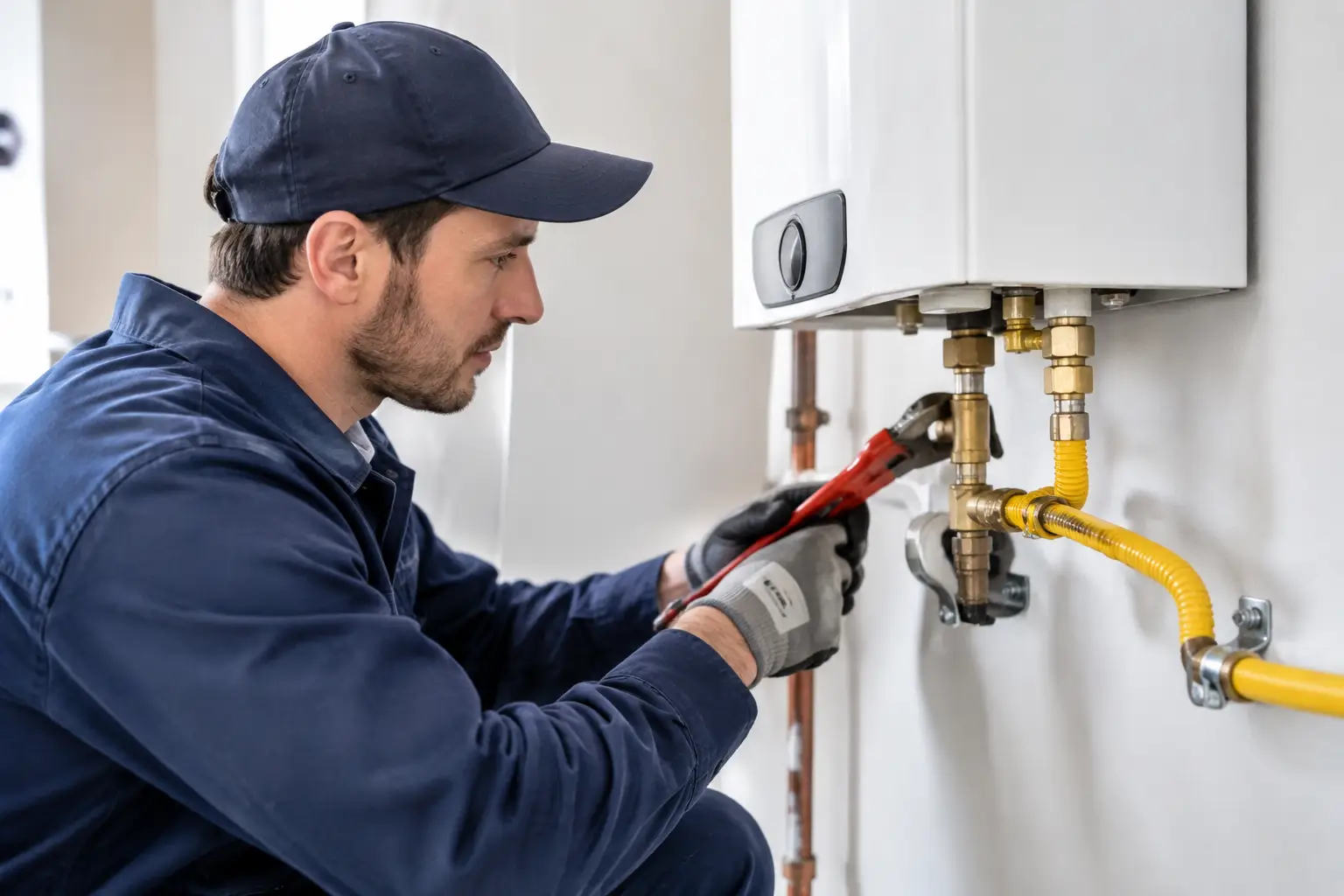
A new gas cooktop can look like a simple replacement job, but the connection behind it is not a DIY task. If you are asking, does gas fitting need certification, the practical answer in Australia is usually yes: fixed gas work must generally be completed by a suitably licensed gasfitter and supported by the required compliance documentation.
That applies whether the property uses natural gas from the mains or LPG from bottles. The exact licence class, paperwork and notification requirements vary between states and territories, so the right process depends on where the property is and what work is being done. What does not change is the need to treat gas as specialist work. A poor connection, incorrect appliance commissioning or inadequate ventilation can create serious fire, explosion and carbon monoxide risks.
What certification means for gas fitting
People often use “certification” to mean two different things. The first is the tradesperson’s licence or registration. A gasfitter needs the relevant authority to carry out the type of gas work involved. A plumber is not automatically permitted to perform gas fitting simply because they work in plumbing, although many qualified tradespeople hold both plumbing and gas-fitting licences.
The second is the certificate, notice or record issued for the completed work. Depending on the state or territory, this may be called a certificate of compliance, certificate of inspection, gas compliance certificate or another similar name. It records that the work has been completed by an authorised person and, where required, complies with applicable gas standards and local rules.
These are separate safeguards. A licence shows the person is authorised to do the work. Compliance paperwork creates a record of the installation, repair or alteration and can be important for future servicing, property sales, insurance questions and regulatory checks.
When a licensed gasfitter is usually required
Any work that installs, alters, repairs, disconnects or reconnects a fixed gas installation should be left to a licensed gasfitter. This includes extending gas pipework for a renovation, connecting a gas hot water system, replacing a gas cooktop, moving a gas bayonet point, repairing a gas leak or changing an LPG installation.
It also includes work that may seem small. Replacing a gas appliance often involves more than attaching a hose or tightening a fitting. The gasfitter needs to confirm that the appliance is suitable for the gas type, check pipe sizing and gas pressure where relevant, test the installation for leaks, commission the appliance and make sure it operates safely.
Natural gas and LPG have different installation considerations. LPG is heavier than air and can collect in low areas if there is a leak, while natural gas rises. Cylinder location, ventilation, regulators, pipework, appliance clearances and flue arrangements all need to suit the system and the site.
Portable appliances are a different category. For example, connecting a small barbecue to its supplied bottle using the manufacturer’s approved hose and regulator may be an ordinary owner task. Once work involves fixed pipework, a permanently connected appliance, a new gas outlet or changes to an existing installation, it is no longer a job to improvise.
Does gas fitting need certification for appliance replacement?
In most cases, yes. Swapping an old gas appliance for a new one is one of the most common situations where homeowners assume certification is unnecessary. Whether the appliance is a cooktop, oven, heater, hot water unit or commercial kitchen equipment, the installation must be suitable for that specific appliance.
A like-for-like replacement can still reveal issues with the existing setup. The new appliance may have a different gas consumption rating, require a different regulator, need more clearance from combustible materials or have particular ventilation requirements. Older installations may also need attention before a replacement can be safely commissioned.
For gas hot water systems, the type of unit matters as well. A continuous-flow unit, storage system and room-sealed appliance each have different installation requirements. The gas supply is only one part of the job. Water connections, safe discharge, electrical components and positioning also need to be considered.
A qualified gasfitter will assess these details before putting the appliance into service. If the installation does not meet the applicable requirements, they should explain the issue and the practical options to rectify it rather than sign off work that is not safe.
Why the paperwork matters to property owners
Compliance paperwork is not merely an administrative extra. It provides evidence that a licensed person completed the gas work and carried out the required testing. Keep it with your property records alongside appliance manuals, warranty information and previous maintenance documents.
This is particularly useful when selling a home, managing a rental property or dealing with an insurance enquiry after an incident. If a future gasfitter attends the property, the record can also help them understand what was installed, when it was done and who completed the work.
For landlords and facility managers, clear records support a more reliable maintenance programme. Gas equipment is often out of sight until something goes wrong. Keeping installation and service documents organised makes it easier to schedule inspections, track appliance age and respond quickly if occupants report a gas smell, pilot issue or inconsistent hot water.
The requirements can differ across Australia
Australia does not have one identical gas-fitting licensing system for every jurisdiction. State and territory regulators set licensing arrangements, and the names of licences and certificates may differ. Some work may require a specific licence class, while more complex commercial, industrial or LPG work may need additional competencies.
The underlying safety expectations are consistent: gas work must be undertaken by a competent, authorised professional, tested correctly and documented when required. However, do not rely on paperwork from another state as proof that the same process applies at your property.
This matters for builders, developers and business owners working across multiple locations. The gas component should be considered early in planning, particularly where a project includes commercial kitchens, multiple water heaters, rural LPG supply, backup generation or process equipment. Early design input can prevent undersized pipework, poorly located cylinders, access problems and costly changes late in the build.
What a professional gasfitter should check
A proper gas-fitting job is more than making the final connection. The scope varies, but a competent gasfitter will normally assess the gas type and supply, appliance suitability, condition of pipework, ventilation or flue requirements, clearances, isolation points and access for safe maintenance.
Testing is a critical part of the process. The gasfitter should test for leaks and confirm the installation operates as intended before the appliance is used. They should also provide the relevant documentation and explain any care requirements, such as keeping outdoor appliance vents clear or arranging regular servicing for a gas heater.
For larger sites, the work may involve staged testing, commissioning records and coordination with other trades. A commercial kitchen fit-out, for example, needs more than a connection to each appliance. Gas isolation, emergency controls, ventilation systems, appliance layout and shutdown procedures all affect how safely the space can operate.
If you smell gas or suspect a leak
Do not try to find or repair a leak yourself. Avoid flames, cigarettes, switches and electrical equipment near the suspected leak. If it is safe to do so, turn off the gas supply at the meter or cylinder valve, move people away from the area and contact the relevant emergency gas service or a licensed gasfitter.
A faint odour, hissing sound, dying pilot flame, yellow or lazy burner flame, soot marks or unexplained headaches near a gas appliance can all warrant attention. Carbon monoxide has no smell, so appliance performance and ventilation should never be ignored.
For planned work, choose a licensed professional who can explain the scope before starting and provide the required records afterwards. Your local PERL Plumbing experts can help assess gas appliances, fixed installations and upgrades so the work is completed safely and with the right documentation for your location.
Gas is a useful, efficient energy source when the system is installed and maintained properly. Treat every fixed gas connection as safety-critical, keep the paperwork, and call a qualified gasfitter before a small job becomes a serious problem.